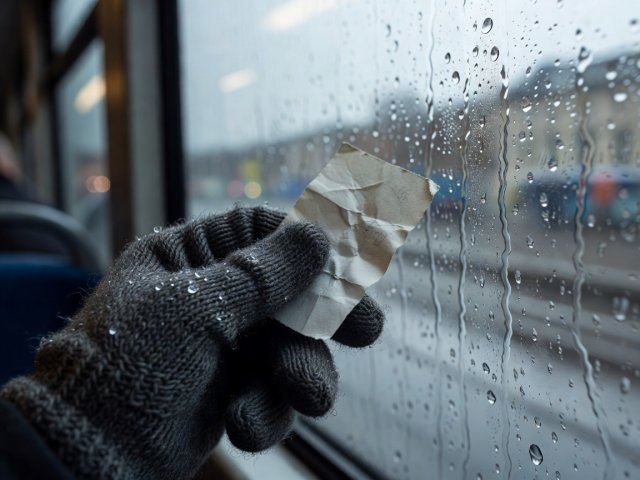
 Tactile Gesture
Hands as Primary Storytellers
A hand adjusting a scarf, hailing a cab, or resting on a cafe marble counter reveals tension and mood while preserving complete personal anonymity.
See Lighting for Textures →Great street photographs are rarely hunted down at a sprint. They happen when you pick a resonant corner, read the flow of foot traffic, and allow unscripted gestures to align inside a frame you prepared five minutes earlier.
Start a Photo Walk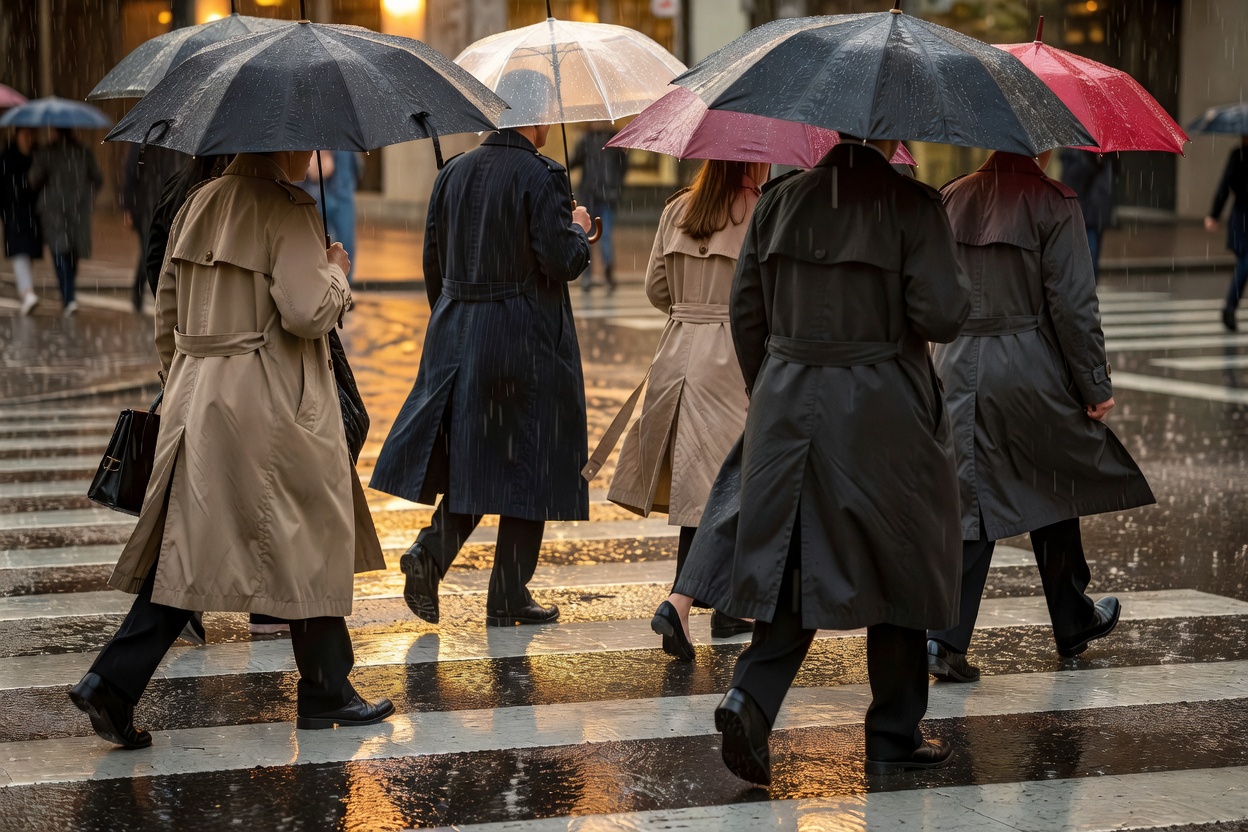
Novice photographers often walk for miles reacting to people first—raising the viewfinder only after they spot an interesting hat or coat, and ending up with a distracting trash bin or delivery van cutting through the background. Seasoned urban observers invert that sequence completely. They scout the backdrop first: a weathered zinc metro entrance in Montmartre, a shaft of late sun bouncing off a glass office tower onto dark brick, or the repeating geometry of a market awning.
Once your edges are clean and your exposure is locked, your only job is patience. As Henri Cartier-Bresson demonstrated in his 1952 monograph The Decisive Moment, and as Rebecca Solnit later explored in Wanderlust: A History of Walking, the street rewards those who can stand still inside a moving crowd without making the crowd self-conscious.
When you wait at a crossing point—where a subway stairwell meets a bakery awning, or where pedestrians step from deep colonnade shadow into afternoon glare—stories naturally intersect. Two strangers carrying identical rolled canvases pause for the same traffic light; a cyclist's shadow stretches three meters ahead to touch a painted curb arrow. By pre-composing the stage, your mind is freed to judge micro-timing rather than fumbling with aperture dials.
There is a widespread misconception on social media that street photography requires getting two feet away from a stranger's face with a 28mm lens and a burst shutter. In practice, overt facial close-ups often date quickly and reduce a complex city moment to a one-note reaction shot. More importantly, contemporary urban visual culture demands a deeper conversation around consent, dignity, and public empathy.
Look at the enduring work of Saul Leiter on the steamed corners of East 10th Street, or Roy DeCarava's poetic, shadow-rich studies of Harlem sidewalks. Frequently, the subject's face is veiled by an umbrella rim, turned three-quarters away into shadow, reflected in a barber's mirror, or framed from the collarbone down. What carries the emotional charge is the tilt of a shoulder against the wind, the way gloved hands hold a warm paper parcel, or the spatial conversation between three silhouettes waiting for a night tram.
Tactile Gesture
A hand adjusting a scarf, hailing a cab, or resting on a cafe marble counter reveals tension and mood while preserving complete personal anonymity.
See Lighting for Textures →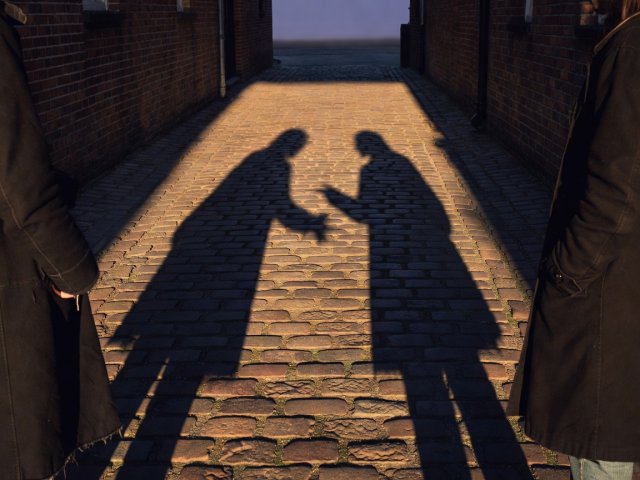 Shadow Presence
When winter sun drops below 20 degrees, cast shadows become theatrical stand-ins that strip away clutter and highlight pure movement.
Explore Shadow Geometry →Autofocus systems on modern mirrorless cameras are remarkably fast, yet they still hesitate when shooting through rain-spotted cafe glass, wire fencing, or multi-layered crowds. Learning manual zone focusing—pre-setting your lens distance scale and relying on depth of field—eliminates shutter lag entirely.
On a sunny or bright overcast afternoon, setting a 35mm lens to f/8 and focusing at 2.5 meters gives you an acceptable sharpness zone from roughly 1.7 meters to 5 meters. When a moment unfolds inside that pocket, you press the shutter with zero electronic hunting. For twilight walks or shallow-depth detail studies where you want background signage to melt into warm bokeh spheres, open the aperture to f/2.8 or f/2 and pre-focus on a specific pavement seam or window pane.
| Focal Length (35mm Equiv.) | Typical Working Distance | Visual Character & Best Urban Use |
|---|---|---|
| 28mm Wide | 1.2m – 2.5m | Expansive context; exaggerates foreground gestures against towering architecture in narrow alleys. |
| 35mm Classic | 1.8m – 3.5m | Balanced environmental storytelling; mirrors natural human peripheral awareness without distortion. |
| 50mm Standard | 2.5m – 5.0m | Selective quiet observation; excels at compressing storefront reflections, hands, and cross-street light pockets. |
Ready to pair your candid timing with structural framing? Continue along the sequence to see how buildings dictate pedestrian flow.
Next Station: Read the City's Edges